Every May we get calls from homeowners staring at a $340 APS bill wondering what happened. In the Valley, cooling is the single largest line item on a summer electric bill — usually 50 to 70% of the total. Here are the changes that actually move it, ranked by real dollar impact.
Key takeaways
- Being on the wrong utility plan costs the average Valley home $300–$600 a year.
- Duct leaks and dirty coils are the two highest-ROI HVAC fixes.
- A 12+ year old AC is the single biggest source of unnecessary summer electric spend.
- Smart thermostats set to precool + peak drift automate most of the savings.
1. Get on the right utility plan
This is the cheapest win. APS and SRP both offer time-of-use and demand-based plans that reward shifting AC load away from peak hours (typically 3–8 PM in summer). For a household that can precool from 1–3 PM and let temperatures drift up during peak, the annual savings often run $300–$600 with zero equipment change.
2. Precool and let it drift
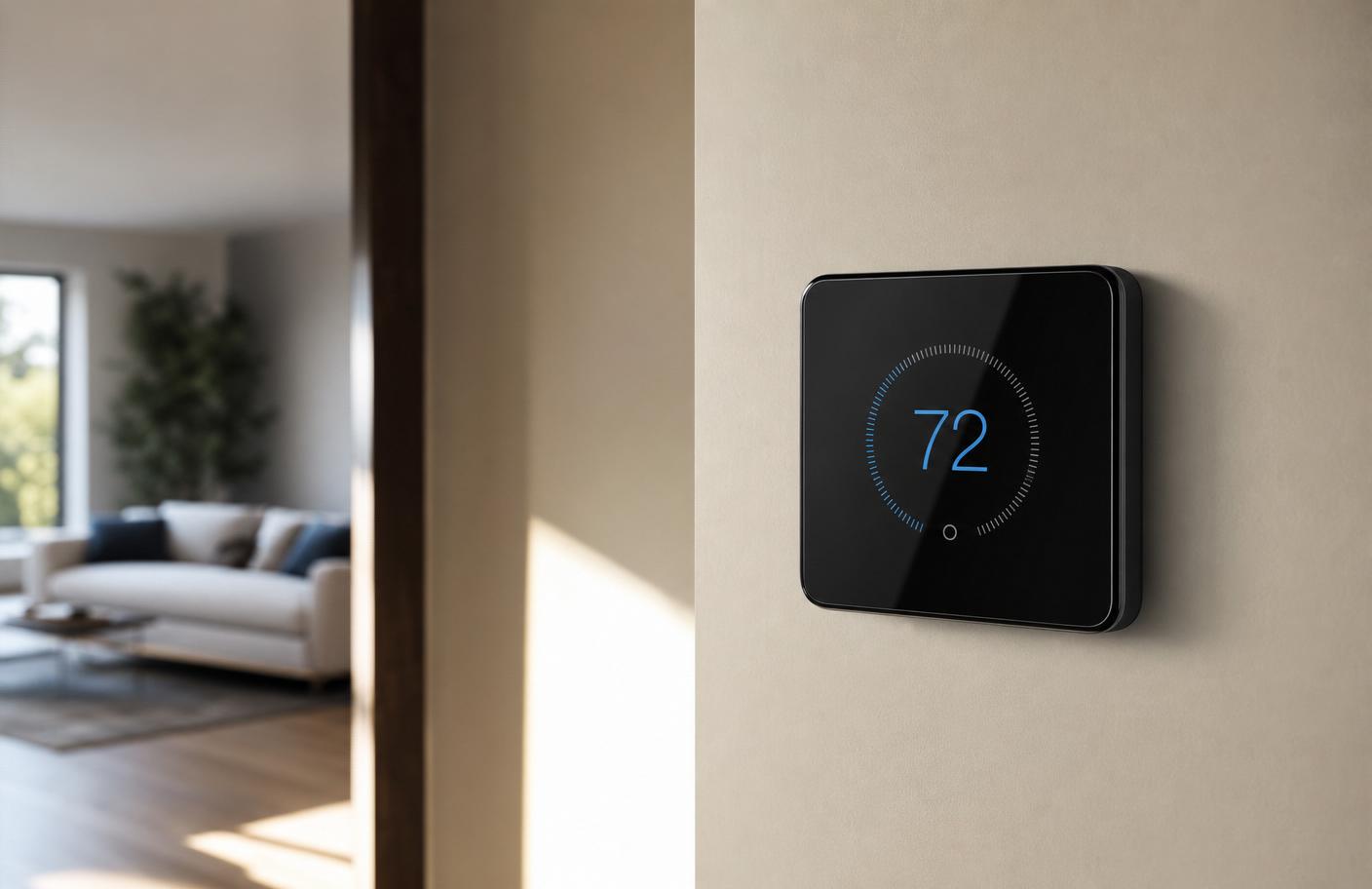
On a demand or time-of-use plan, set the thermostat to 74°F from 1 PM to 3 PM (off-peak rate) and let it climb to 80–82°F during peak. The house has enough thermal mass to coast for 3–4 hours.
A smart thermostat with utility-plan integration (Ecobee, Nest) does this automatically.
3. Fix duct leaks
Typical Phoenix duct systems leak 20–30% of the conditioned air they carry — often into a 150° attic. That is air you paid to cool, being dumped where you can't use it. A duct-sealing pass with a proper Aeroseal or mastic seal typically returns 10–15% off the cooling portion of the bill.
4. Clean the outdoor coil
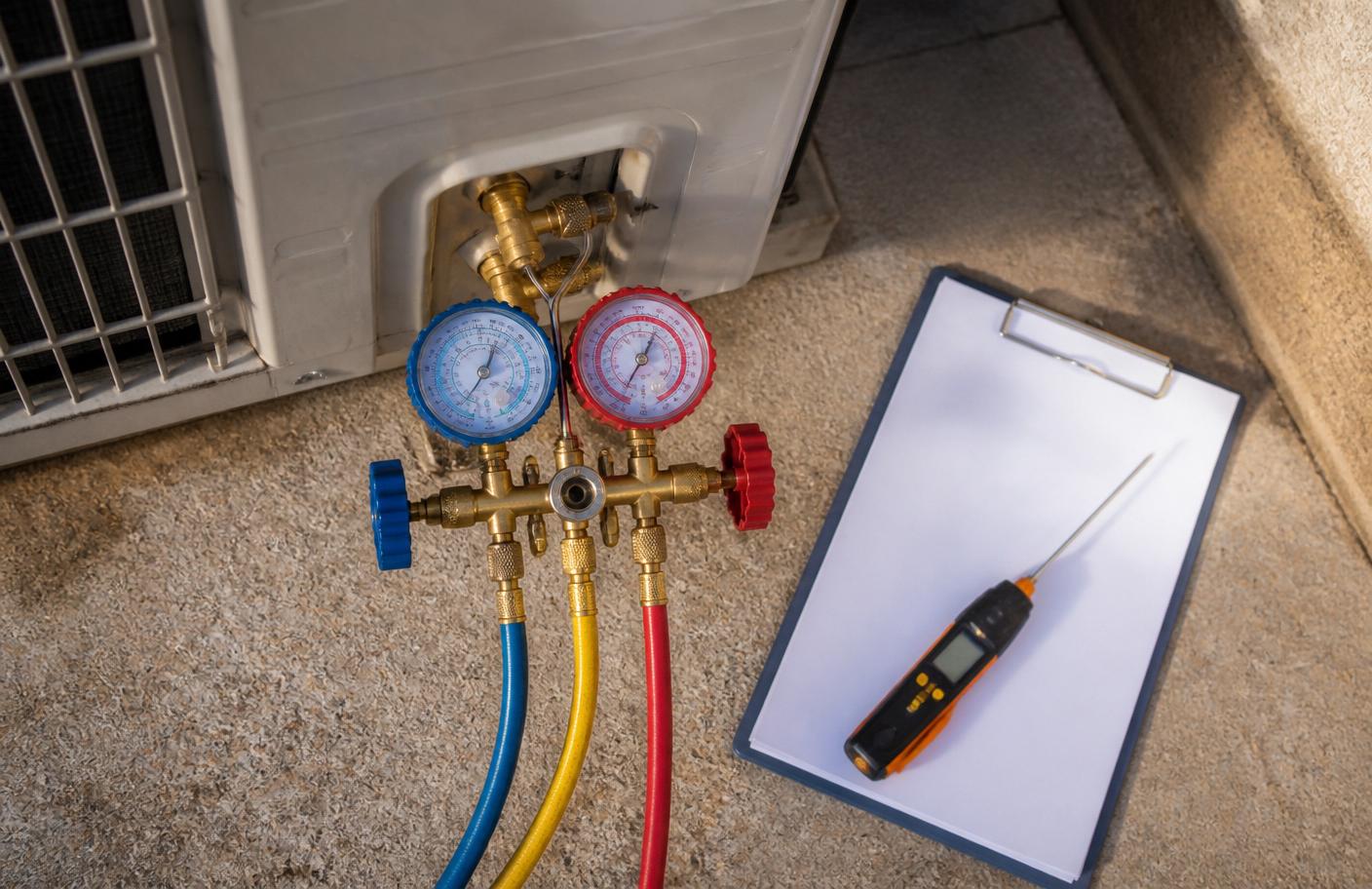
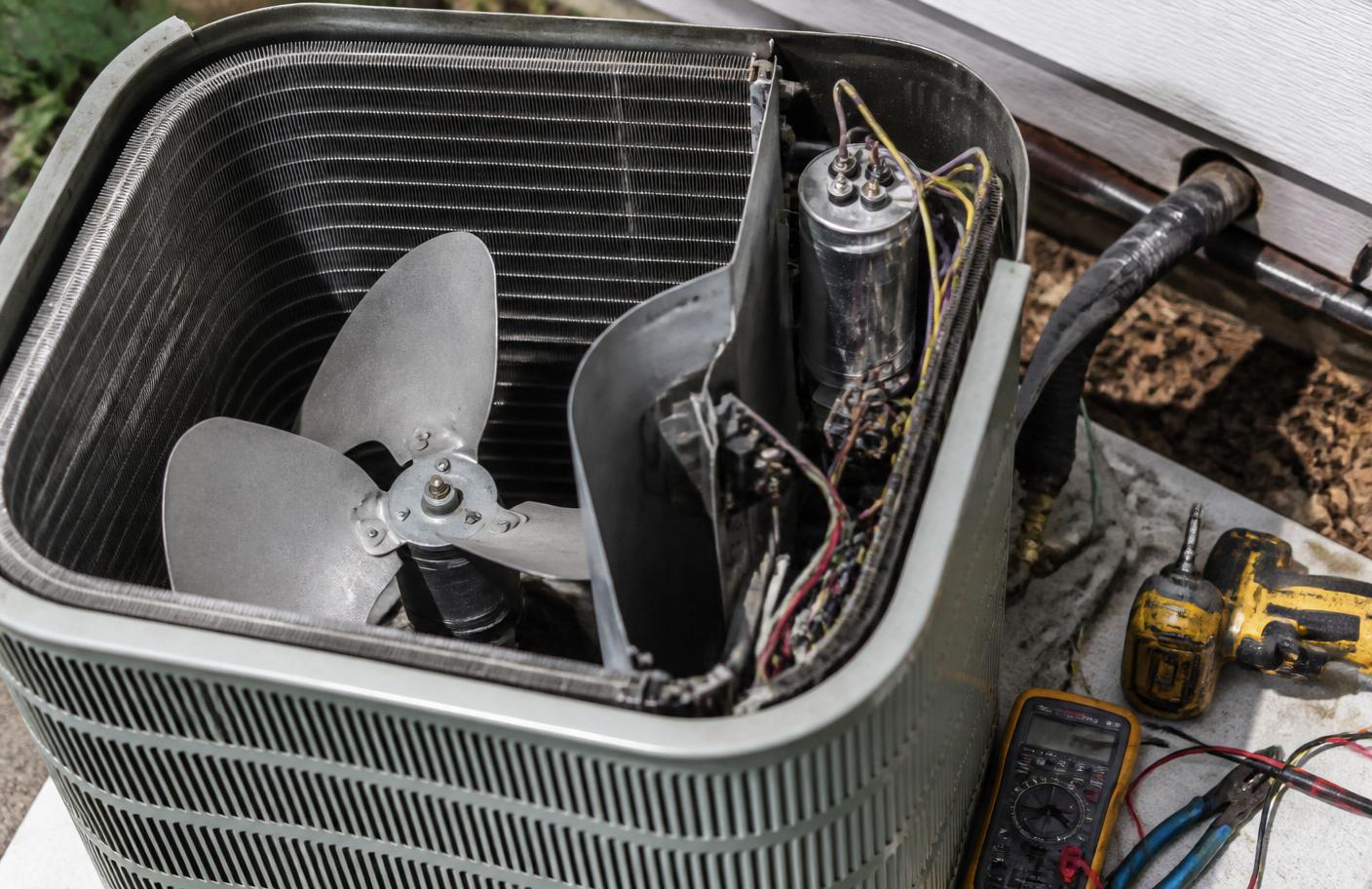
A condenser coil packed with monsoon dust makes the compressor work 10–15% harder for the same cooling. Have it chemically cleaned in the spring; rinse it gently with a hose in mid-summer.
5. Attic insulation to R-38 or R-49
Homes built before 2000 in Phoenix often have R-19 or worse in the attic. Bringing insulation up to R-38 (or R-49 in newer code jurisdictions) drops peak cooling load meaningfully. APS and SRP frequently offer rebates on the upgrade.
6. Replace 12+ year old equipment
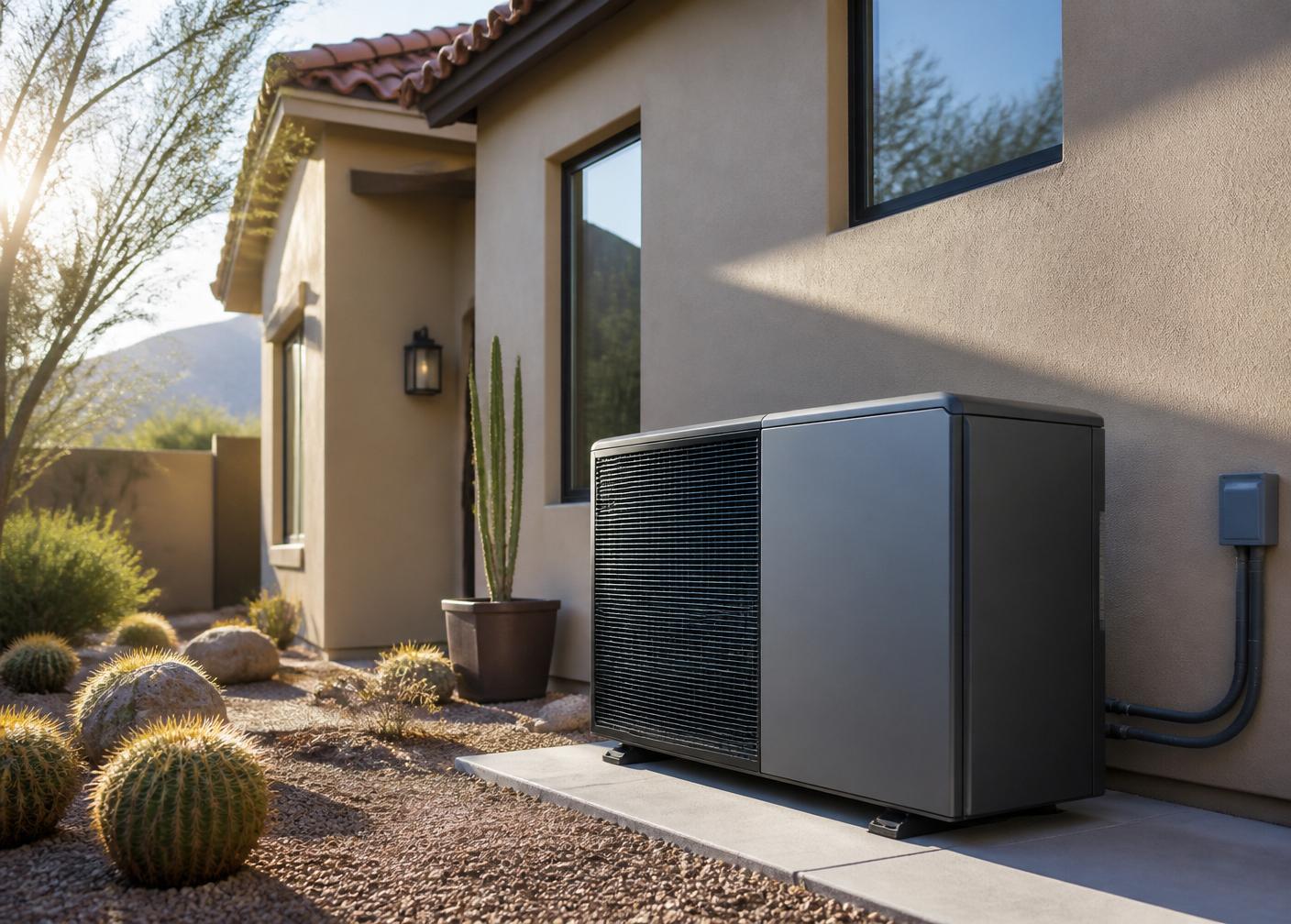
A 10 SEER unit from 2013 uses roughly 40% more electricity than a 15.2 SEER2 unit sold today to deliver the same cooling. If your AC is over 12 years old and your July bills routinely exceed $300, the payback on a new system in Phoenix is typically 5 to 7 years — often faster with current rebates.
7. Shade the west-facing windows
One large uncovered west-facing window can add half a ton of afternoon cooling load. Exterior shade screens, cellular blinds, or Low-E window film cut that dramatically.
Frequently asked questions
What temperature should I set my AC in Phoenix to save money?
78–80°F when home, 82–84°F when away, and precool to 74°F for two hours before the utility peak window if you are on a demand or time-of-use plan.
Is it cheaper to leave the AC on all day?
Yes — in a Phoenix summer. Cooling a house from 90°F back down to 78°F takes more energy than holding it at 82°F all day. Set higher, don't shut off.
Do ceiling fans really help?
They let you raise the thermostat setpoint about 4°F without feeling warmer — but only in occupied rooms. Turn them off when you leave.
Related services