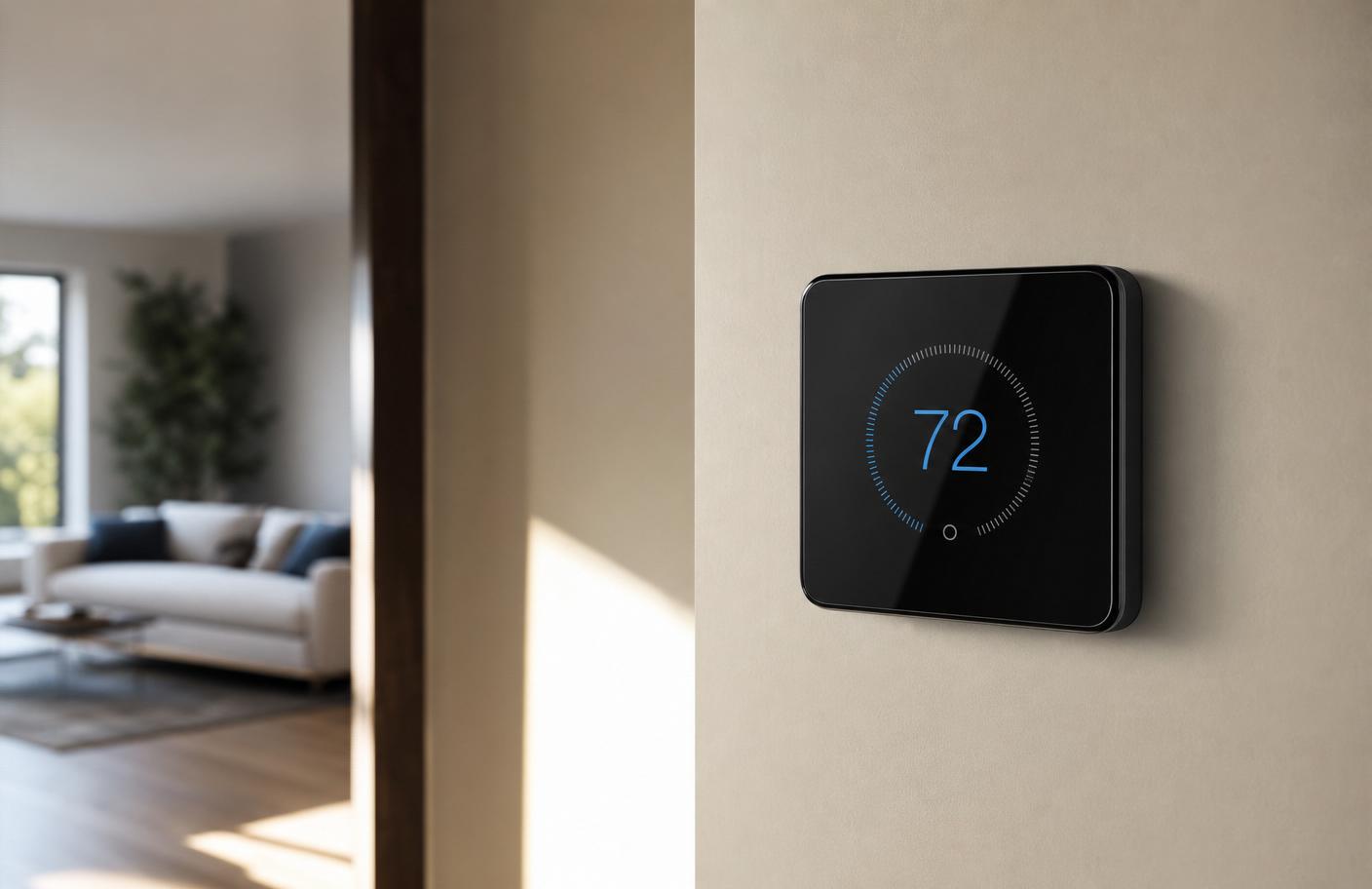
A smart thermostat is one of the highest-ROI upgrades a Phoenix homeowner can make — but only if it matches your utility plan and gets installed with the right wiring. Here is a clear-eyed comparison of the three brands we install most.
Key takeaways
- Ecobee: best overall for Phoenix, strongest time-of-use support.
- Nest: simplest and most user-friendly.
- Honeywell T10 Pro: best for zoned systems in larger homes.
- Most older Phoenix homes need a C-wire solution — plan for it.
Ecobee — best overall for Phoenix
Ecobee's remote room sensors matter more in Arizona than in most markets. Valley homes are notorious for one room being 6° warmer than the thermostat's hallway location. Ecobee balances to any sensor you designate, evening out temperatures without oversizing equipment.
Ecobee also has the strongest native support for time-of-use plans and demand response — critical on APS Saver Choice and SRP EZ-3 plans. If you are on a peak-hour plan, this is the pick.
Google Nest — best for simplicity
The Nest Learning Thermostat is the easiest to live with. It auto-schedules, auto-adjusts on your presence, and has the cleanest interface. It handles single- and two-stage equipment well.
It is slightly weaker on true room balancing (fewer, less accurate remote sensors) and its time-of-use handling is coarser than Ecobee's. For a homeowner who wants set-it-and-forget-it, it is still the right choice.
Honeywell T-Series (T9, T10 Pro) — best for larger homes
Honeywell's T10 Pro pairs well with dampered zoning systems, which are common in larger Scottsdale and North Phoenix homes. Room sensors are accurate, the interface is dated but reliable, and integration with pro-installed zoning equipment is best-in-class.
Wiring: the C-wire question
All three smart thermostats need constant power — a C-wire. Many Phoenix homes built before 2010 do not have one at the thermostat. Options: use the included power extender kit (Ecobee, Honeywell), install a 24V add-a-wire (transformer at the air handler), or pull a new thermostat cable.
A licensed HVAC tech can handle this in most homes in under an hour.
APS & SRP rebates
Both utilities periodically offer $50–$75 rebates for enrolling a qualifying smart thermostat in their demand-response programs (Cool Rewards, Bring Your Own Thermostat). Enrollment cycles the AC briefly during peak events — you can override any event you don't want to participate in.
Frequently asked questions
Do smart thermostats really save money in Phoenix?
Yes — $100–$300 a year for most homes, more if you're on a time-of-use plan and use the scheduling features. Payback is typically under two years.
Can I install a smart thermostat myself?
If you have a C-wire and a straightforward single-stage system, yes. If you don't know what you have, or you have a zoned or dual-fuel system, hire a pro. A wrong wire can fry a control board.
Which thermostat works best with a heat pump?
Ecobee and Honeywell T10 Pro both handle heat-pump-specific logic (aux/emergency heat, reversing valve) cleanly. Nest works but has fewer heat-pump tuning options.
Related services